A yacht’s exterior finish plays a major role in its overall appearance. Paint and gelcoat provide color, shine, and a protective layer across the vessel. However, constant exposure to sunlight, saltwater, humidity, dirt, and water spots can gradually affect the surface.
Over time, these conditions may lead to fading, oxidation, stains, and a loss of gloss. Without proper maintenance, minor surface changes can become more noticeable and may require additional restoration.
Understanding yacht gelcoat care helps boat owners choose suitable methods for washing, polishing, correcting, and protecting the finish. The best routine depends on the material, its present condition, and the environment where the yacht is stored.
Understanding Yacht Paint and Gelcoat
Paint and gelcoat both create attractive exterior finishes, but they are not the same material.
Gelcoat is commonly applied to fiberglass boats. It forms a colored surface layer over the fiberglass and gives the vessel its smooth exterior appearance. With continued exposure to sunlight and moisture, gelcoat can gradually lose its gloss and develop oxidation.
Paint is often used on larger yachts and can provide a highly refined finish. Painted surfaces also need careful cleaning because scratches, marks, and surface damage can become noticeable over time.
Knowing whether your yacht has gelcoat or paint is important before selecting cleaning products. A product that works well on one surface type may not suit another.
How Sunlight Affects Yacht Finishes
Sun exposure is one of the biggest factors affecting an exterior finish. Ultraviolet rays can gradually break down the surface and affect its color and shine.
Dark colors may fade or become uneven with prolonged exposure. White and lighter finishes can develop a dull appearance when oxidation begins to form. These changes usually happen slowly, so owners may not notice them until the finish looks noticeably different from when it was new.
Regular washing can remove surface contaminants that make the effects of sunlight more noticeable. Proper polishing and surface protection can also help maintain the finish’s appearance.
For yachts that spend long periods in direct sunlight, yacht detailing in Palm Beach, FL can help keep the exterior clean and maintain its polished appearance.
What Causes Gelcoat Oxidation?
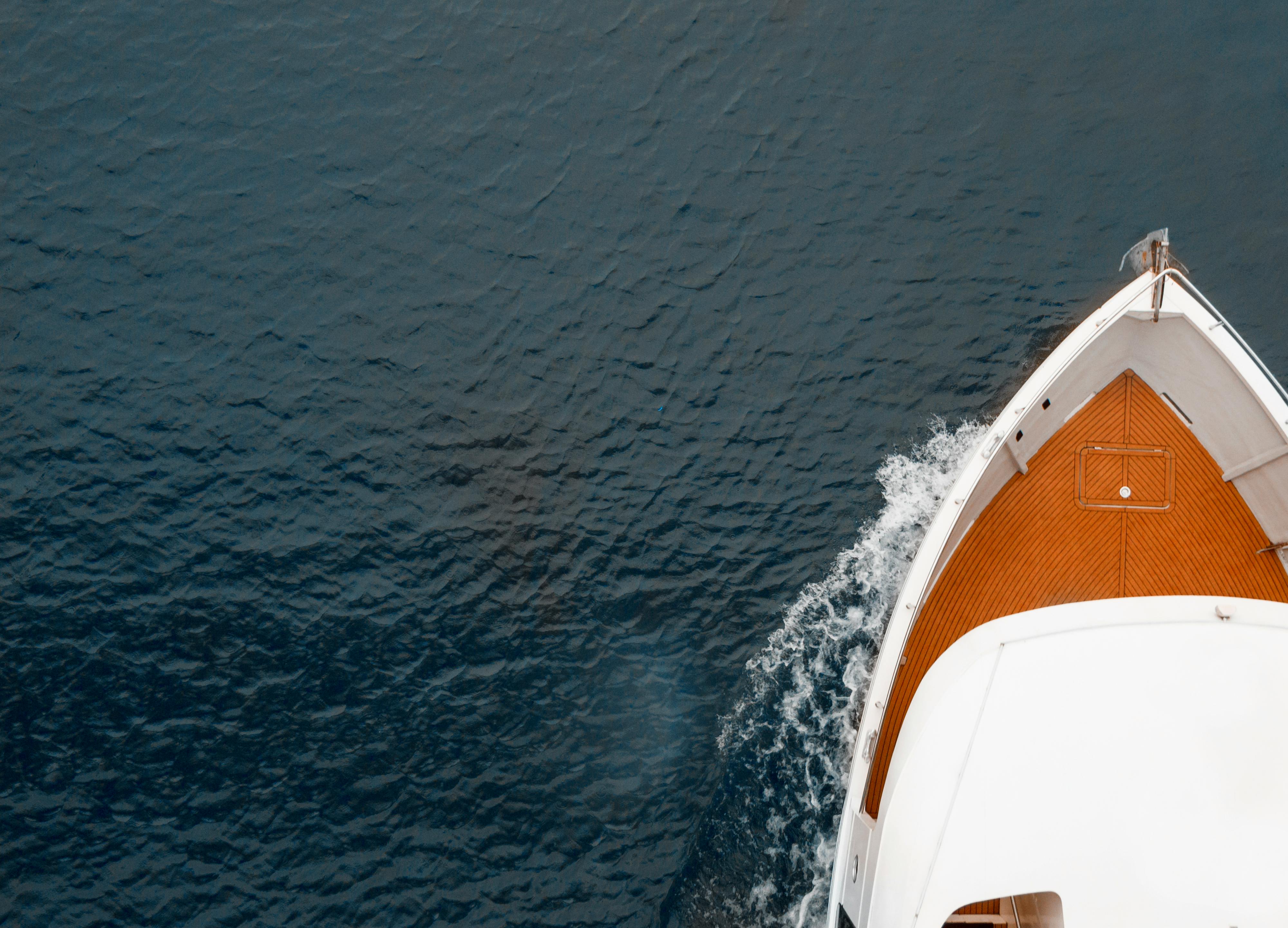
Oxidation occurs when the gelcoat surface gradually reacts with exposure to air, sunlight, moisture, and other environmental conditions. One of the easiest signs to recognize is a chalky or faded appearance.
Light oxidation may simply make the surface look less glossy. More advanced oxidation can make the finish appear cloudy and rough.
The level of oxidation determines the type of treatment required. A mildly affected surface may only need cleaning and polishing. More severe oxidation may require a deeper correction process.
Aggressive treatment is not always better. Removing too much material can reduce the life of the finish. A careful assessment should always come before deciding how much correction is needed.
Dirt and Surface Buildup
Yachts collect many types of contaminants during normal use. Salt residue, dust, bird droppings, water spots, algae, grease, and airborne pollution can settle on the exterior.
Some contaminants are easy to remove when fresh. Others can become bonded to the surface when they remain for extended periods. Bird droppings are particularly worth addressing quickly because they can affect the finish if left in place.
Salt residue can also create a cloudy appearance after seawater dries. Regular rinsing helps remove this residue before it becomes heavy buildup.
Using soft cleaning tools and suitable marine products can reduce the chance of scratching the surface while removing everyday dirt.
The Value of Regular Washing
Regular washing is one of the simplest ways to maintain a yacht’s exterior. It removes loose dirt and salt before they accumulate.
A thorough wash should cover the entire exterior, not just highly visible areas. Railings, edges, fittings, corners, and areas around hardware can also collect residue.
The quality of the water used for washing can also affect the result. Hard water may leave mineral deposits behind when it dries. Drying the surface after washing can help reduce water spots.
For owners using boat detailing services, routine washing can become part of a larger care schedule that includes polishing and protection.
Polishing the Exterior
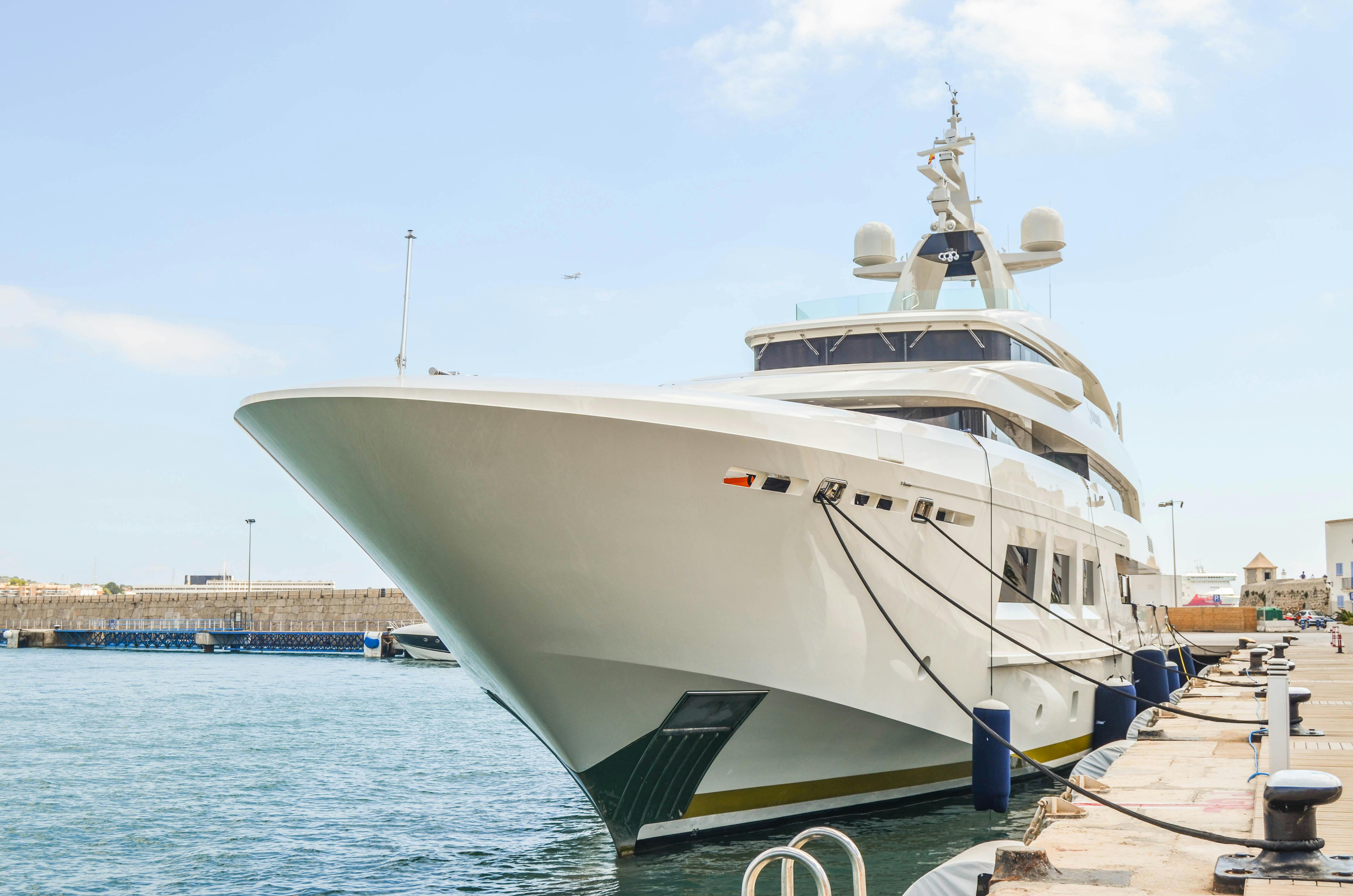
Polishing can restore clarity and shine to a finish that has become dull. Depending on the product and method, polishing can refine the surface and remove very light imperfections.
The goal should be to improve the appearance while preserving the existing finish. Too much polishing can gradually remove material, especially when aggressive compounds are used repeatedly.
The right polishing process depends on the yacht’s condition. A surface with light dullness may need a mild treatment, while a heavily weathered finish may require several stages.
Professional equipment can provide consistent results, but technique matters just as much. Applying too much pressure or using the wrong pad can create additional marks.
Yacht Paint Correction
Paint correction focuses on improving imperfections found on painted yacht surfaces. These may include light scratches, swirl marks, water spots, haze, fading, and other defects that reduce finish clarity.
The process usually involves careful machine polishing with products selected based on the paint’s condition. Several stages may be required when imperfections are more noticeable.
Correction should always be approached carefully. Removing defects often means removing a very small amount of the surface. Excessive correction can reduce the available paint over time.
For owners considering yacht paint correction in Palm Beach, an inspection can help determine whether correction is appropriate or whether a simpler cleaning and polishing service would be enough.
Caring for Painted Surfaces
Painted surfaces need careful handling during everyday cleaning. Rough brushes, abrasive materials, and unsuitable chemicals can leave marks or affect the finish.
A gentle washing process can remove common contaminants while reducing unnecessary wear. Pay special attention to areas around hardware, seams, and fittings where dirt may collect.
After cleaning, a suitable protective product may help maintain the finish. The right option depends on the paint type and the surface condition.
Owners should also inspect painted areas regularly. Small scratches, fading, or changes in gloss are easier to address when noticed early.
Protecting Gelcoat Between Services
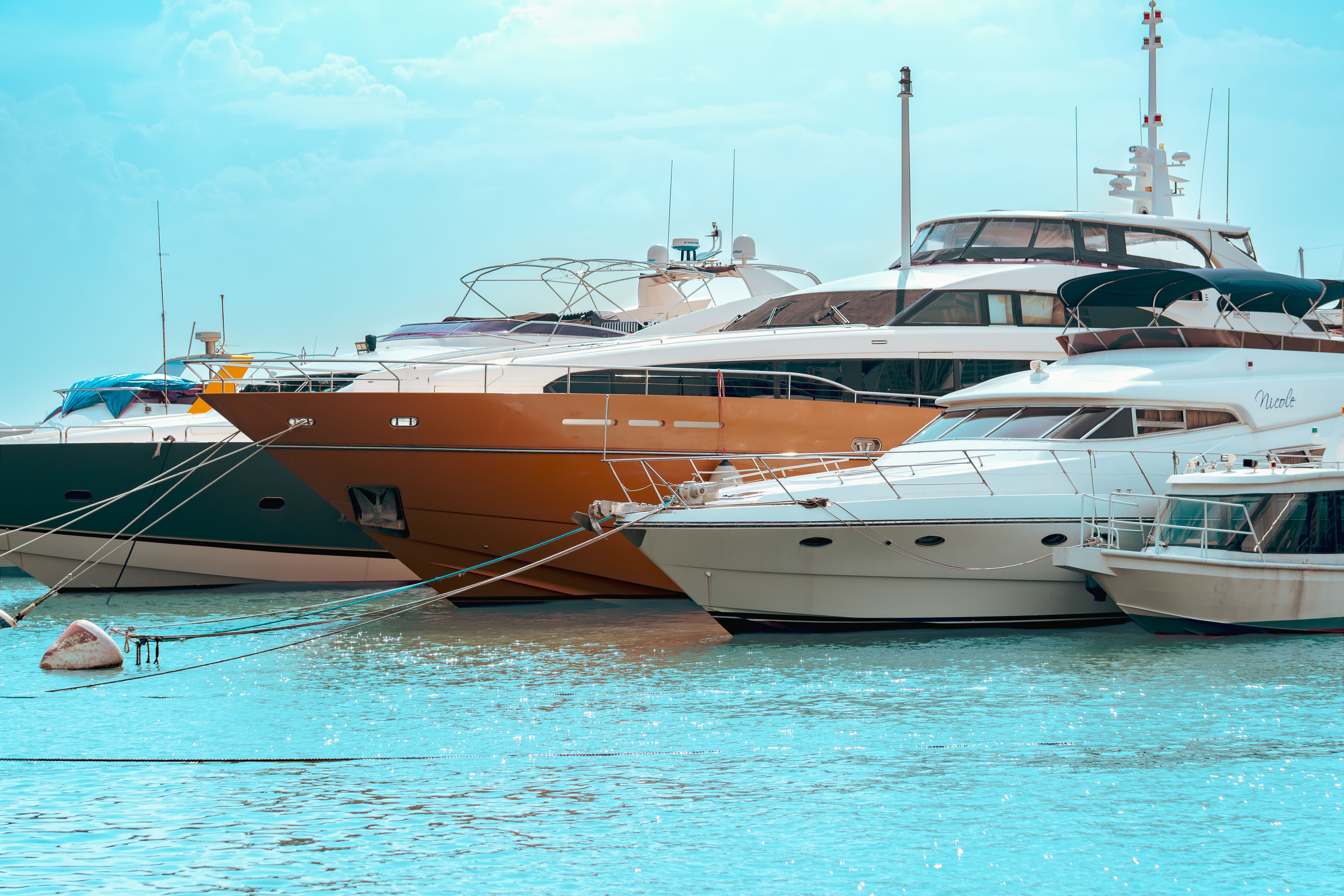
Professional detailing is only one part of exterior maintenance. Daily and weekly habits can also influence how well a yacht’s finish holds up.
Rinsing the vessel after saltwater exposure can remove residue before it dries. Clean bird droppings and other contaminants as soon as possible. Do not use household cleaning products unless they are confirmed suitable for the specific marine surface.
Owners should also avoid rough towels and abrasive cleaning tools. Even small scratches can become more visible on glossy finishes.
A simple maintenance routine between detailing appointments can help reduce buildup and keep the exterior easier to maintain.
Ceramic Coating for Yacht Surfaces
Ceramic coating is another option for owners who want additional protection. It creates a protective layer over a properly prepared paint or gelcoat surface.
A coating can make the surface easier to clean and may resist certain contaminants. However, it does not remove the need for regular washing and maintenance.
Preparation is one of the most important parts of the coating process. Address oxidation, stains, water spots, and other imperfections before applying the coating.
For owners considering yacht ceramic coating in North Palm Beach, evaluate the surface condition first. Applying a coating over an imperfect finish may preserve those imperfections underneath the new layer.
Choosing the Right Detailing Schedule
Every yacht has different maintenance requirements. A vessel that spends several days each week in saltwater usually needs more attention than one used occasionally.
Storage conditions also matter. Yachts kept outside and exposed to direct sunlight may experience faster surface changes than vessels stored under cover.
The type of finish also affects the schedule. Gelcoat, paint, and coated surfaces each have their own cleaning requirements.
A practical routine can include regular washing, periodic inspections, polishing when needed, and correction when visible defects develop.
The goal is to keep the surface in good condition rather than waiting until major restoration becomes necessary.
Florida’s Coastal Conditions
Florida provides beautiful conditions for boating, but the coastal environment can be demanding on yacht exteriors. Strong sunlight, humidity, salt air, and frequent water exposure can all contribute to surface wear.
Owners should consider these conditions when creating a cleaning routine. Leaving salt and other contaminants on the surface for long periods can increase buildup and make future cleaning more difficult.
Choosing boat detailing in Florida can provide access to cleaning methods suited to the local marine environment. A knowledgeable detailing team can assess the finish and determine whether it needs washing, polishing, correction, or additional protection.
Consistent care can also make future detailing appointments more manageable.
Maintaining a Polished Appearance
A yacht’s appearance depends on more than a quick wash before a trip. Gloss, color, clarity, and cleanliness all contribute to the vessel’s overall look.
Yacht detailing in Palm Beach can address several aspects of exterior care, depending on the yacht’s condition. Services may include removing contaminants, improving gloss, treating oxidation, or preparing the surface for additional protection.
Regular attention also allows owners to notice changes in the finish. Areas that begin to look dull, faded, or stained can be examined before the issue becomes more difficult to address.
Yacht Maintenance and Exterior Care
Consider paint and gelcoat care part of a wider yacht maintenance routine. Exterior surfaces work alongside decks, hardware, glass, interiors, and other areas that also require regular attention.
Keeping a consistent schedule makes it easier to track cleaning and maintenance needs. It can also help prevent several small issues from developing at the same time.
For owners looking for yacht maintenance in Palm Beach, FL, exterior detailing can be included as part of a broader approach to keeping the vessel in good condition.
A clean exterior not only improves appearance but also makes surface changes easier to spot.
Caring for Teak Decks
Teak requires a different approach from paint and gelcoat. The natural wood responds to sunlight, moisture, salt, and cleaning methods in its own way.
Over time, teak can change color and develop a weathered appearance. Improper cleaning can wear the surface or affect the wood’s natural characteristics.
Clean teak with products and methods intended specifically for marine wood. Strong chemicals and harsh scrubbing can cause unnecessary wear.
When a deck has become heavily weathered, teak deck restoration in Palm Beach may help improve its appearance and condition. Continued maintenance after restoration can help preserve the results.
When Should a Yacht Be Detailed?
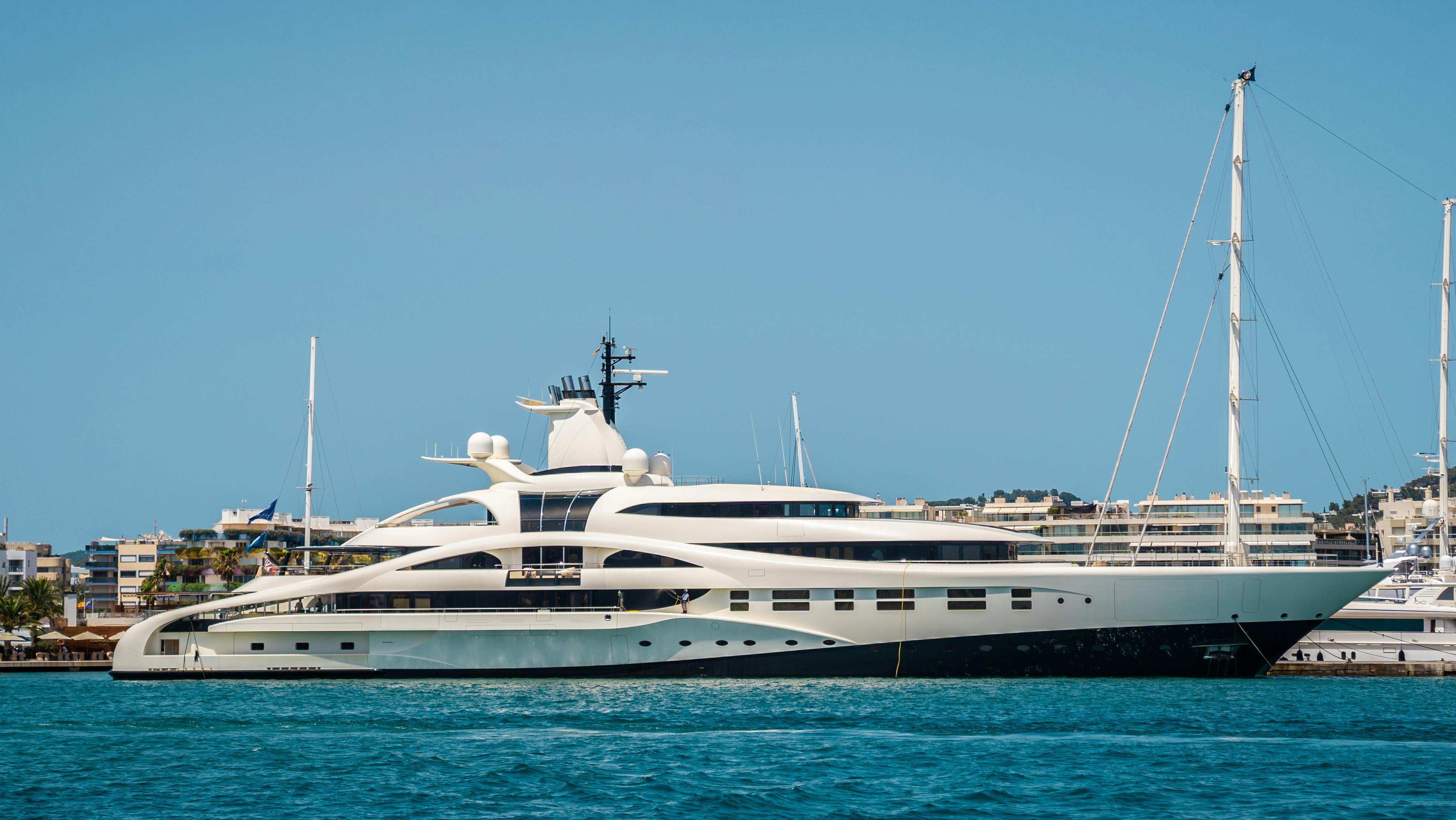
The ideal detailing frequency depends on several factors, including how often the vessel is used, its exposure to sunlight and saltwater, storage conditions, and the type of finish.
Certain signs can indicate that exterior care is due. Fading, water spots, loss of shine, chalky patches, stains, and stubborn residue may all signal that the surface needs attention.
Early treatment can make surface restoration easier. Leaving oxidation or staining untreated for extended periods may lead to more involved correction work later.
For larger vessels, superyacht detailing in Palm Beach can be planned around the yacht’s specific condition and usage. Regular inspections can help determine whether basic washing, polishing, or a more extensive treatment is appropriate.
Final Thoughts
Yacht paint and gelcoat face constant exposure to sunlight, saltwater, humidity, dirt, and other environmental elements. Over time, these conditions can affect the color, shine, and overall condition of the exterior.
Effective yacht gelcoat care begins with routine washing and may include polishing, correction, or protective treatments based on the surface condition. Using the right approach can help maintain the finish while avoiding unnecessary wear.
Regular inspections also make it easier to notice fading, oxidation, staining, or other changes early. Addressing these concerns promptly can reduce the need for more intensive restoration later.
For owners looking for reliable boat detailing in North Palm Beach, consistent exterior care can help preserve a clean and polished appearance while keeping the vessel ready for its next trip.
Keep Your Yacht Looking Its Best
Give your yacht the care it deserves with a service suited to its exterior surfaces and current condition. Visit North Palm Yacht Detailing LLC to learn more about yacht cleaning, polishing, paint care, and detailing services.
Contact North Palm Yacht Detailing LLC to discuss your yacht’s cleaning and detailing needs.
