A luxury vessel is a masterpiece of design and engineering, combining high-performance composite hulls, gleaming metal accents, and brilliant marine paints built to navigate open waters. However, the moment a vessel launches into the beautiful coastal waters of South Florida, it enters a highly demanding environment. The combination of intense afternoon sun, high humidity, and constant saltwater exposure creates a challenging ecosystem for your yacht’s exterior surfaces. Left unmanaged, these coastal elements can cloud your vessel’s finish, dull its shine, and lead to costly long-term aesthetic damage.
For yacht owners looking to combat these harsh regional elements, North Palm Yacht Detailing provides premium boat detailing services designed to shield your craft with scientific precision. Maintaining that iconic, head-turning look on the water requires a proactive approach to exterior care.
This comprehensive guide delivers a technical comparison of these preservation methods, illustrating how advanced yacht surface protection technology safeguards your capital investment based on your vessel’s unique age, material composition, and operational usage.
The Chemistry of Marine Surface Degradation
To understand why different protective barriers perform the way they do, one must first examine the microscopic structure of a vessel’s exterior. Whether your yacht is finished with a traditional orthophthalic marine gelcoat or a modern polyurethane specialized paint, the surface is inherently porous. Under a microscope, these finishes resemble a landscape filled with microscopic peaks, valleys, and open pores.
When a vessel cruises through the waters of Palm Beach, salt-laden moisture settles into these microscopic valleys. As the sun dries the water, sharp salt micro-crystals are left behind. These crystals act like tiny magnifying glasses, trapping heat and concentrating ultraviolet rays directly inside the pores of the finish.
This concentrated thermal stress triggers a destructive chemical process known as polymer photo-oxidation. Ultraviolet photons break the chemical bonds within the gelcoat or paint resins, causing the surface material to dry out, chalk, and lose its ability to reflect light uniformly. This is what causes the dull, white, faded appearance commonly known as marine oxidation.
Furthermore, these open pores collect airborne soot, mineral deposits, and organic atmospheric pollutants, which can permanently stain the underlying substrate. Stopping this compounding degradation requires a protective material that can completely fill these microscopic voids, creating a perfectly flat, smooth surface that actively deflects environmental elements.
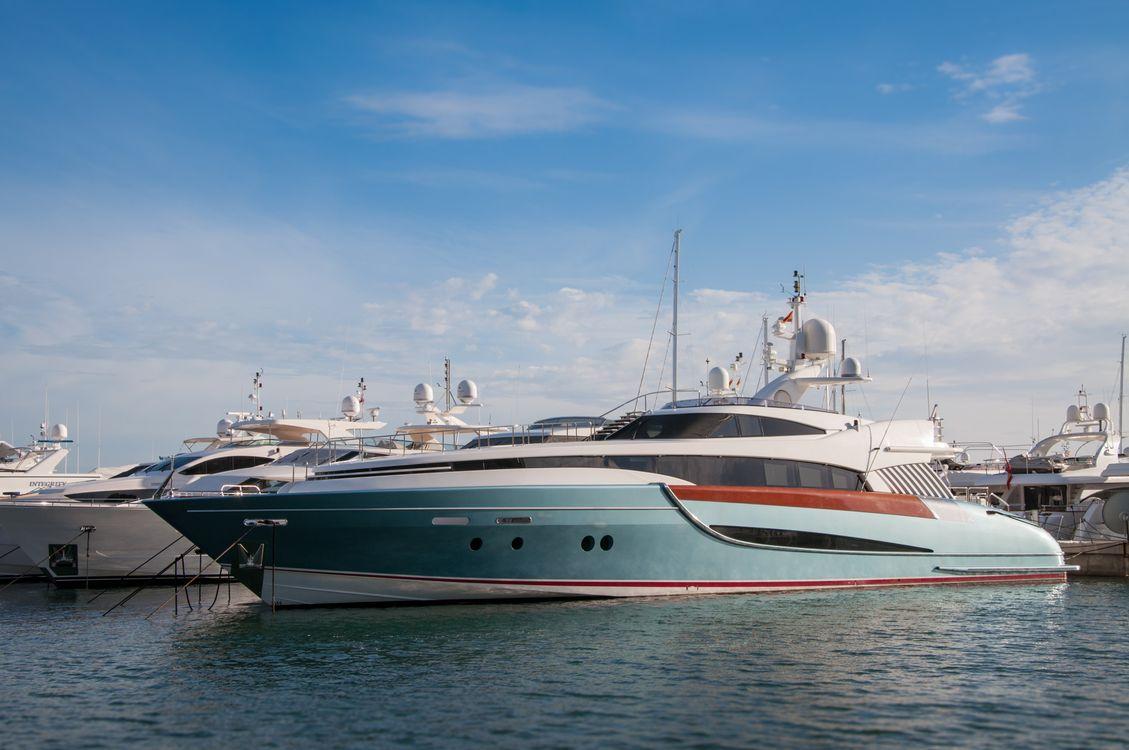
Marine Carnauba Wax: The Traditional Aesthetic
The Mechanical Properties of Organic Waxes
Natural marine waxes are formulated primarily from organic lipids extracted from the Brazilian Copernicia prunifera palm. These natural compounds are prized for their ability to produce a deep, warm gloss that enhances the underlying color of the hull. When applied correctly, wax fills the surface pores, hiding minor micro-scratches and creating a temporary hydrophobic surface that causes water to bead up cleanly.
Structural Performance Boundaries
However, from an engineering standpoint, organic waxes provide very limited defense for high-exposure marine vessels. Wax does not form a chemical bond with the gelcoat or paint; instead, it sits on the surface by weak mechanical adhesion. This resting layer is highly sensitive to heat. On a typical summer afternoon in Florida, the dark-colored surfaces of a yacht can easily reach temperatures where natural wax begins to soften and melt away.
Once the wax layer softens, it loses its protective qualities. Airborne salt mist and petroleum exhaust soot adhere directly to the soft wax layer, forming an abrasive film that accelerates degradation rather than preventing it. Additionally, organic waxes are easily stripped away by standard pH-balanced marine soaps and hold up poorly against high-velocity water friction along the waterline during active cruising. As a result, traditional wax must be reapplied every 4 to 6 weeks to maintain an adequate baseline of protection.
Synthetic Polymer Sealants: The Practical Step Forward
The Science of Cross-Linking Polymers
Synthetic polymer sealants represent a significant shift toward technical asset preservation. These engineered products are formulated using man-made liquid polymers that cross-link with one another on the surface of the vessel. When applied to a clean hull, these molecules align in a tight pattern, creating a uniform protective film over the substrate.
Enhanced Thermal and Chemical Resistance
Because sealants are composed of synthetic materials, they feature a significantly higher melting point than natural waxes, often handling surface temperatures up to 350°F (176°C) without softening. This enhanced thermal stability ensures that the protective barrier stays firmly intact during hot summer months. The synthetic film also provides stronger chemical resistance, allowing it to withstand environmental acids, bird droppings, and industrial fallout much more effectively than natural wax.
While polymer sealants provide a smooth, reflective gloss and extend maintenance intervals to four or six months, they remain a topical treatment. They form a semi-permanent electrostatic bond with the top layer of the finish rather than integration at a deeper molecular level. For vessels that log high operating hours or remain exposed to the elements year-round at the marina, synthetic sealants still remain vulnerable to gradual wear from saltwater friction and UV degradation over time.
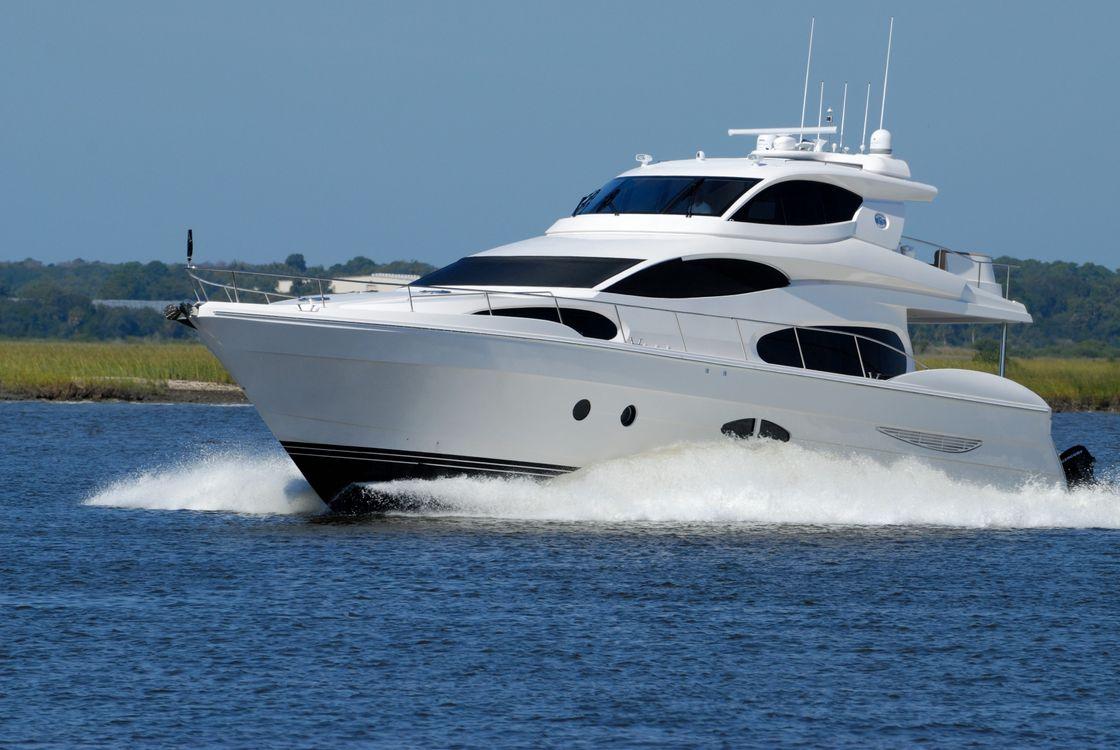
Nano-Ceramic Coatings: The Pinnacle of Modern Protection
Covalent Molecular Bonding
The absolute pinnacle of modern maritime care is found in advanced liquid nano-ceramic coatings. These state-of-the-art formulas are built on a foundation of pure liquid Silicon Dioxide or silicon carbide quartz matrices. Unlike topical waxes or sealants, nano-ceramic particles are small enough to penetrate deep inside the microscopic pores of the gelcoat or paint.
Once inside these pores, a chemical reaction occurs. The coating forms a permanent covalent bond directly with the underlying substrate, transforming from a liquid into an incredibly hard, clear glass layer that measures up to 9H on the pencil hardness scale. This ultra-hard layer becomes an integral part of the vessel’s hull structure itself.
Industrial-Grade Defense Capabilities
The operational advantages of this molecular integration are substantial:
- Total Hydrophobic Deflection:The perfectly smooth ceramic layer creates a surface with an incredibly high water-contact angle. Salt water, soot, exhaust carbon, and organic contaminants cannot find a foothold to anchor onto the hull. Instead, they rinse away effortlessly with a simple, chemical-free fresh water washdown.
- Absolute UV Isolation:The hard Silicon Dioxide barrier provides total UV isolation for the underlying paint or gelcoat. Because ultraviolet photons are completely deflected by the ceramic layer, polymer photo-oxidation is stopped entirely, preventing fading and yellowing.
- Extreme High-Temperature Stability:Ceramic coatings possess a massive thermal threshold, remaining structurally stable in temperatures up to 1,200°F (648°C). This makes them perfect for high-heat engineering zones, turbocharger exhausts, and metal waterlines.
- Permanent Surface Durability:Because the bond is covalent, it cannot be washed away by acidic rainfall, industrial pollutants, or aggressive cleaning solutions. It can only be removed through intentional mechanical abrasion, such as professional machine compounding.
Sourcing Your Protection Strategy: Age and Usage Profiles
Selecting the right surface treatment requires a careful evaluation of the vessel’s current age, paint structure, storage setup, and expected cruising frequency. There is no one-size-fits-all solution; true preservation is an intentional strategy tailored to how you use your vessel.
Profile A: The New or Mint-Condition Vessel
Vessels that are fresh from the factory or have recently received a complete hull repaint represent a massive capital investment. For these vessels, the main goal is preservation—locking in that flawless factory gloss and stopping environmental degradation before it can ever begin.
For this profile, applying advanced yacht surface protection technology immediately is highly recommended. Forcing topical waxes or short-term sealants onto an immaculate, unoxidized finish is an inefficient approach that creates unnecessary maintenance cycles. A premium ceramic program fills the pristine pores of the fresh finish, creating a permanent barrier that preserves the factory backing and keeps the hull in showroom condition for years. This strategic approach minimizes maintenance downtime and helps maximize your eventual resale value in competitive brokerage markets.
Profile B: The Active Cruising Fleet
Vessels that spend their weeks navigating open waters or remain docked year-round at premium South Florida marinas face constant environmental exposure. The continuous friction of saltwater along the waterline combined with intense morning-to-night sun exposure will quickly strip away traditional waxes and standard sealants within a few weeks of active cruising.
Active vessels require the extreme structural durability of a hard quartz coating. The permanent hydrophobic surface prevents salt crystals, marine oils, and exhaust carbon from bonding with the hull while underway. This ensures that the crew can wash down the vessel quickly and easily between trips, keeping it show-ready without the need for aggressive, surface-stripping chemical cleaners.
Profile C: The Classic or Restored Yacht
Older vessels or classic yachts with weathered, highly porous gelcoats require a different, restorative approach. Over years of exposure, the gelcoat material naturally loses its underlying density, becoming deeply pitted and vulnerable to moisture trapping.
Before any protective coating can be applied, these vessels must undergo a multi-stage mechanical paint correction process. This crucial phase uses specialized polishing compounds to safely remove layers of dead, oxidized material, leveling the finish to restore color depth. Once the structural density of the surface is restored, a high-grade synthetic polymer sealant or multi-layer ceramic system is applied to seal the newly exposed finish, preventing future oxidation and keeping the classic look completely preserved.
Preserving Modern Assets
Investing in professional surface care is a fundamental part of responsible vessel management. At North Palm Yacht Detailing, we reject quick cosmetic fixes and short-term shine treatments. Instead, we deliver high-level, technical asset preservation designed to protect your investment and optimize its long-term market value.
Our highly trained, professional crews combine advanced green chemistry, rigorous maintenance standards, and unmatched technical precision to keep your vessel in peak condition through every season. Whether your vessel requires our elite boat ceramic coating to lock in a deep, long-lasting gloss, an intensive round of professional teak deck restoration, or the continuous support of a comprehensive, premium yacht detailing in Palm Beach, FL, our team provides the reliable craftsmanship your vessel deserves. Protect your capital asset and enjoy complete peace of mind on the water.
Contact us today to build your custom, long-term preservation schedule.
